
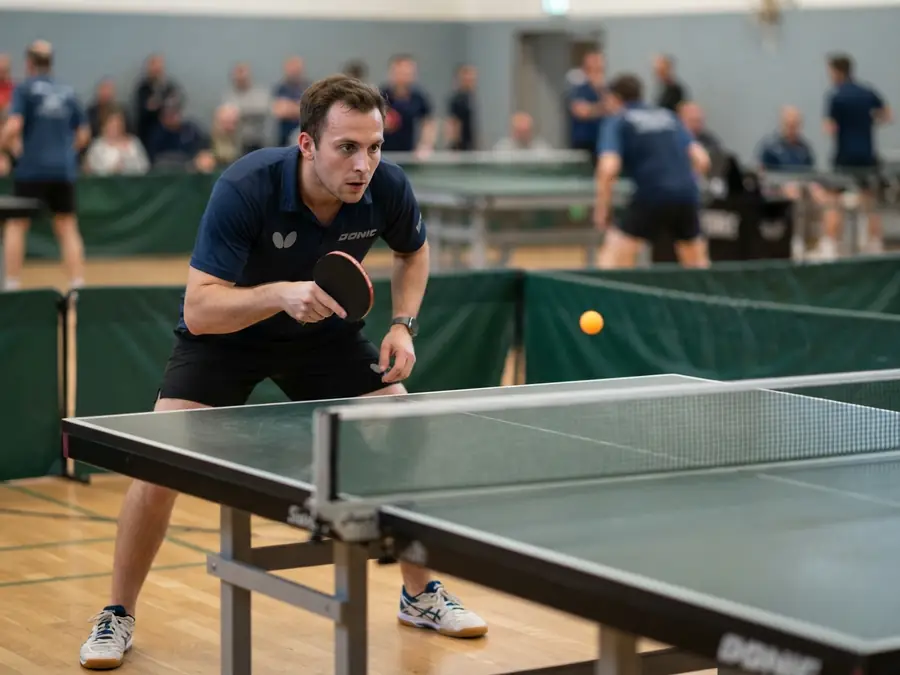
This page is how you hit on this table: tap, swipe up, swipe down, and swipe sideways each produce a different shot, and whether the incoming ball should be blocked or attacked. It is not a full coaching course. Stroke shape, footwork, and fitness belong on a real table. Here you get the reads you can use in the browser right away.
Read height, spin, and speed before you swing
After the ball crosses the net, decide first, then move. If the paddle arrives late, you can only block. If you misread it, even a block can catch the net or fly long. Against AI, the sidebar names spin, landing spot, and a suggested return before the bounce so you can compare. It does not hit the ball for you.
Close the paddle on topspin; don't block backspin flat
Spin decides whether this shot should brush or block. The sidebar labels heavy topspin, topspin, no spin, backspin, and heavy backspin, and whether sidespin is on the ball.
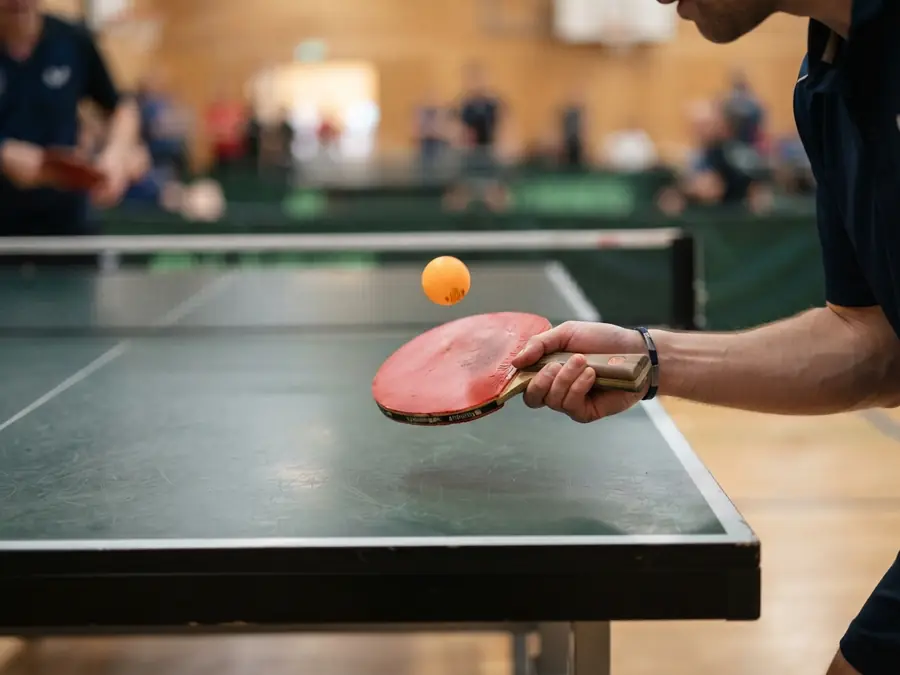
- Topspin: A flat block often pops long. Close the paddle face, or ease the ball forward, to keep the arc down.
- Backspin: A flat block often dies in the net. Swipe down to push it back, or swipe up hard to lift it.
- No spin: Play the height and speed. Low and fast, block. High and slow, you can attack.
- Sidespin: Center the paddle on the ball first, then a small sideways swipe to send it back. Too much sideways swipe sends it wide.
Don't smash a ball that's hugging the table
A smash needs height. If the ball is already around net height and you hit down hard, it rarely clears a 15.25 cm (6 in) net, and the sidebar will say net. Block to keep the arc, or push it back, and wait for a high return before you hit through it.
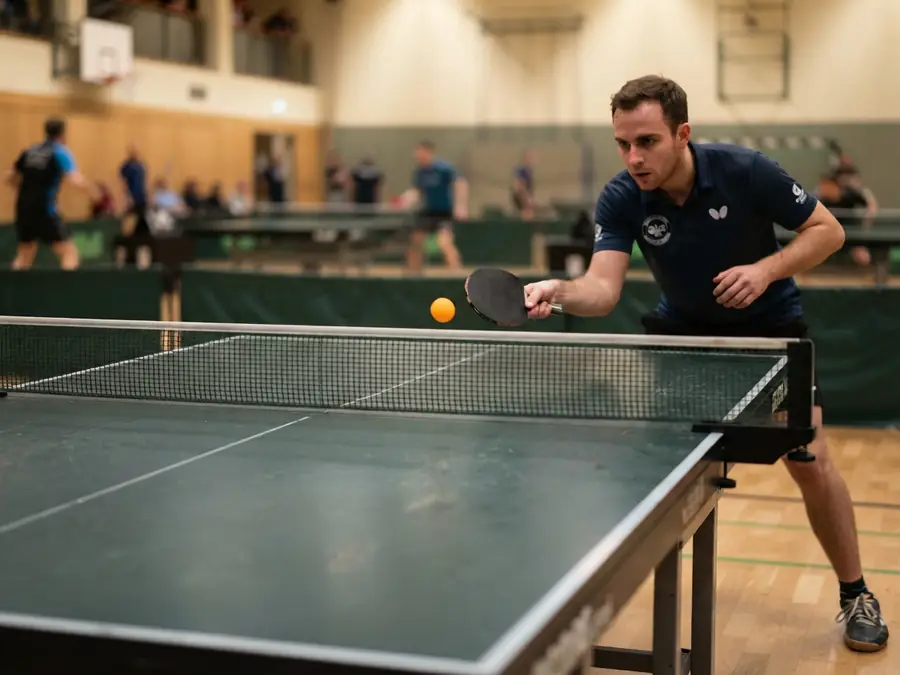
The net doesn't move. The mistake is thinking the ball was high enough.
Blocking a high, slow ball hands the attack back
When the other side floats a high, slow ball, parking the paddle in the path usually leaves the next attack with them. Get the paddle to the bounce, then swipe up and send it to the wide forehand or backhand.
A faster upward swipe is closer to a drive or smash; almost no swipe is a block. Smash a ball you should have blocked and it hits the net. Only block a ball you should have attacked and you stay on defense.
Center the paddle on the ball, then swipe sideways to change direction
Contact decides where it goes. The sweet spot keeps the line; the edge adds sideways speed and often goes wide. On a phone, drag the paddle to the bounce with a finger; on a computer, do the same with the mouse.
- Change direction: After the center meets the ball, a small sideways swipe sends it to the forehand or backhand.
- Add pace: Swipe up and forward. Start small until you can land in the same area, then lengthen it.
- Fast balls: Set the paddle early. Nudge or tap to block; don't wait until the ball is on you to swing.
A ball that's already going out can be left. Reaching with the edge is more likely to go wide or miss.
The serve must bounce on your side first; swipes change the spin
A legal serve bounces on your half, clears the net, then lands on the other half. If it clips the net and still lands legally, it's a let and you serve again. All of this happens at the near end: tap for a plain serve, swipe up for a long serve, swipe down for a short backspin serve, swipe sideways for sidespin.
On a computer you can use the keyboard: spacebar for a plain serve, up arrow for a long serve, down arrow for short backspin, left and right arrows for sidespin. A swipe only changes how the ball flies, not the bounce order. Into the net, onto their half first, or straight off the table is a fault.
After you lose the point, read why; replay only that point
Against AI, the sidebar names spin and landing spot before the bounce; when the point ends it says net, long, wide, two bounces, or missed. You can turn hints off. Replay shows the point you just finished at 0.45× and does not change the score. You can pause mid-rally; the table freezes until you continue.
Online rooms use the same strokes, but there are no hints, replay, or pause. Scoring is still to 11. Details are on the table tennis rules page.
Tips FAQ
Should I block or attack the incoming ball?
Read the ball first. If it's low and fast, or you can't see the spin, block or push it over. If it's high and slow, swipe up and attack. Don't use one paddle angle for every return.
Why does topspin go long so often?
Topspin lifts the ball. A flat block rides that lift and often flies past the end line. Close the face, or ease it forward, to keep the arc down.
Why does backspin die in the net?
Backspin pulls the ball down. A flat block never gets over. Swipe down to push it back, or brush up hard to lift it.
Why do my smashes keep hitting the net?
The ball wasn't high enough. If it's already on the table or only around net height, hitting down rarely clears. Block or push, and smash when they give you a high ball.
My returns keep going wide. Is that my stroke?
Usually the contact was off-center, or the sideways swipe was too big. Move the center of the paddle to the bounce, and keep direction changes small. If the sidebar says wide, check whether you caught the edge or over-swiped.
How do I serve and add pace in the browser?
Tap at the near end to serve. Swipe up for a long, harder serve, swipe down for short backspin, swipe sideways for sidespin. On a computer, spacebar and the arrow keys hit the same serves. The ball still has to bounce on your side first.
Do hints return the ball for me?
No. Hints mark direction, landing spot, and a suggested return; you still have to hit it. Replay only shows the point that just ended. You can toggle hints in the sidebar. Online rooms have no hints or replay.